Latest guide
AI Act Article 50: Test Transparency at First Contact
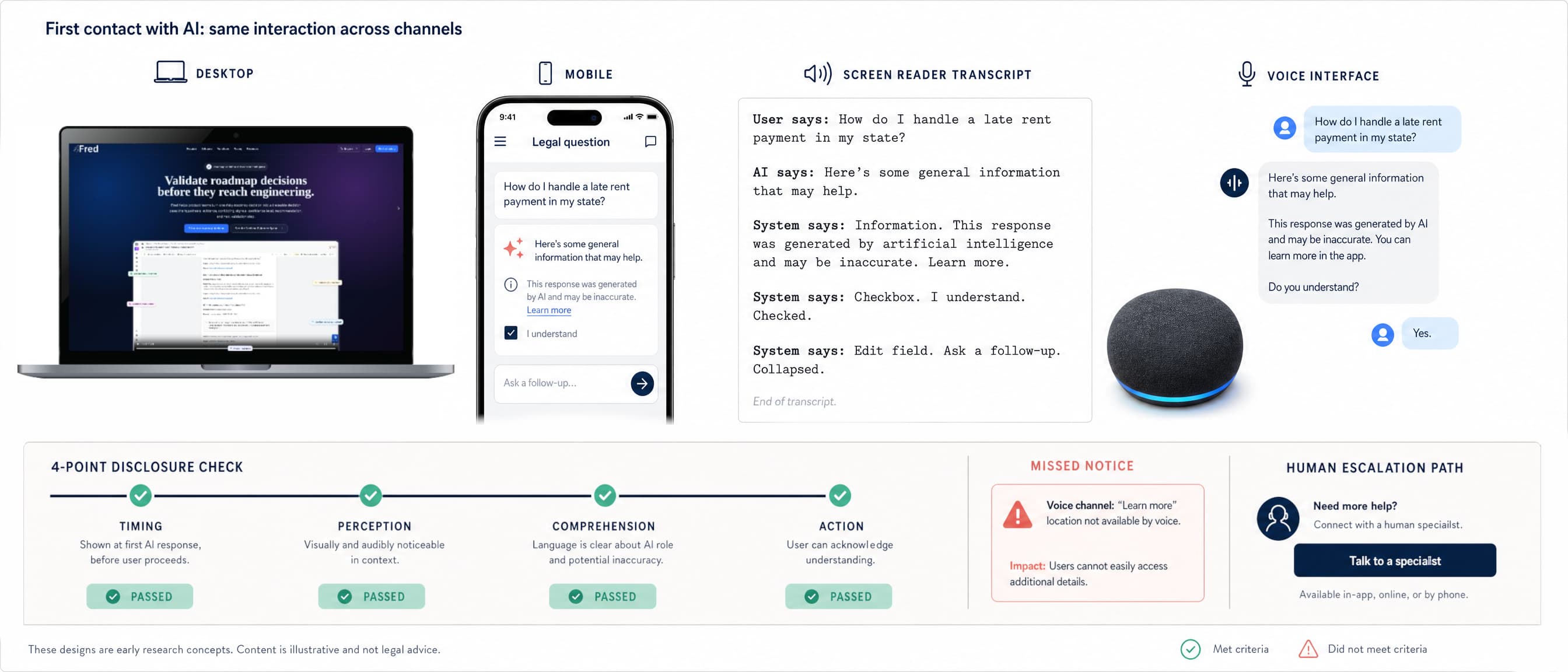
Turn AI Act Article 50 transparency into testable UX criteria for first contact, accessibility, comprehension, handoffs, and trust calibration.
Fred Resources
Use these guides to choose the right study, clean up research operations, and turn findings into decisions the team can act on.
Start with the decision, then choose the research.
Run studies with cleaner operations and fewer handoffs.
Turn findings into evidence stakeholders can use.
What you will find here
Pick the study shape that fits the question, timeline, participant access, and decision risk.
Tighten recruiting, consent, data handling, workflows, and reporting so evidence does not get lost.
Translate what you learned into tradeoffs, next steps, and reusable research memory.
Latest resources

Latest guide
Turn AI Act Article 50 transparency into testable UX criteria for first contact, accessibility, comprehension, handoffs, and trust calibration.
Five useful next reads from the archive.
A mixed set of methods, operations, and product-discovery pieces for the next research decision on your desk.

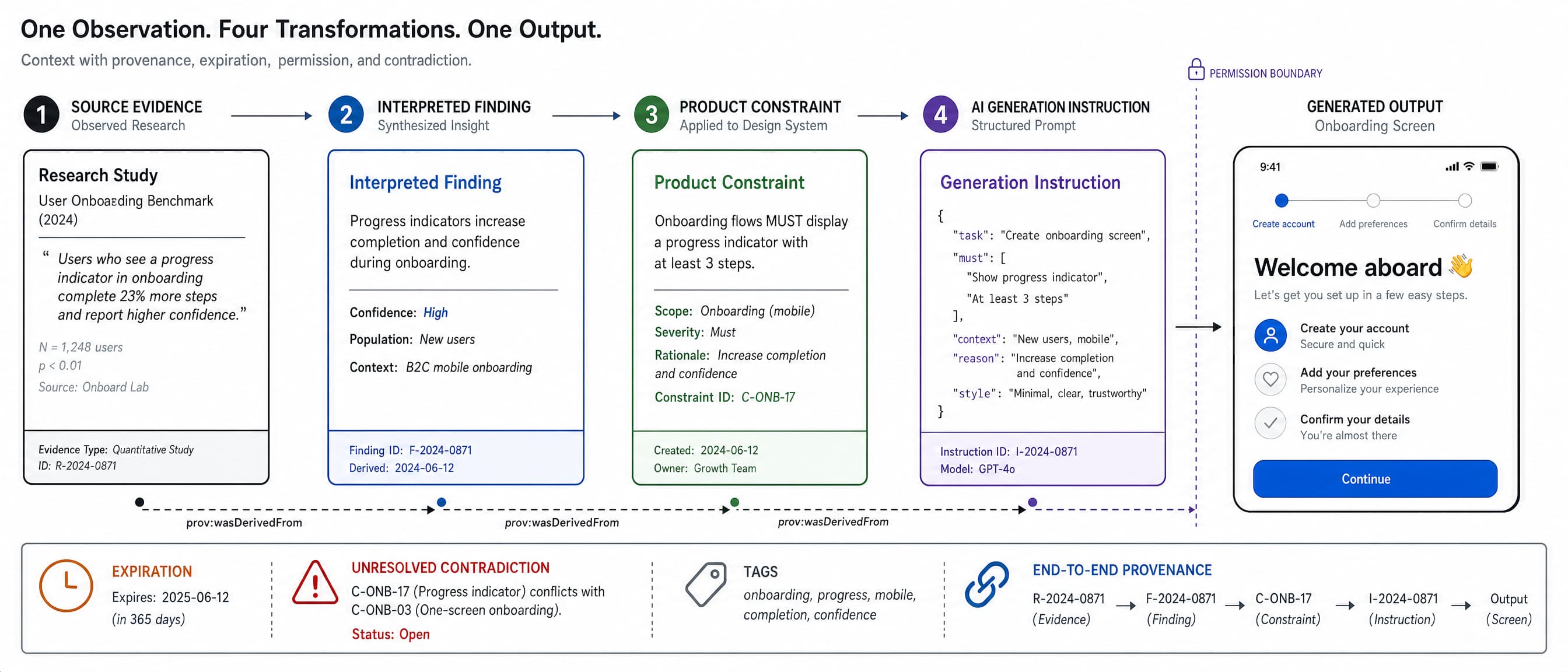
Learn how to turn research into bounded, traceable context for AI-generated product work while preserving evidence, uncertainty, permissions, and human review.
Read next
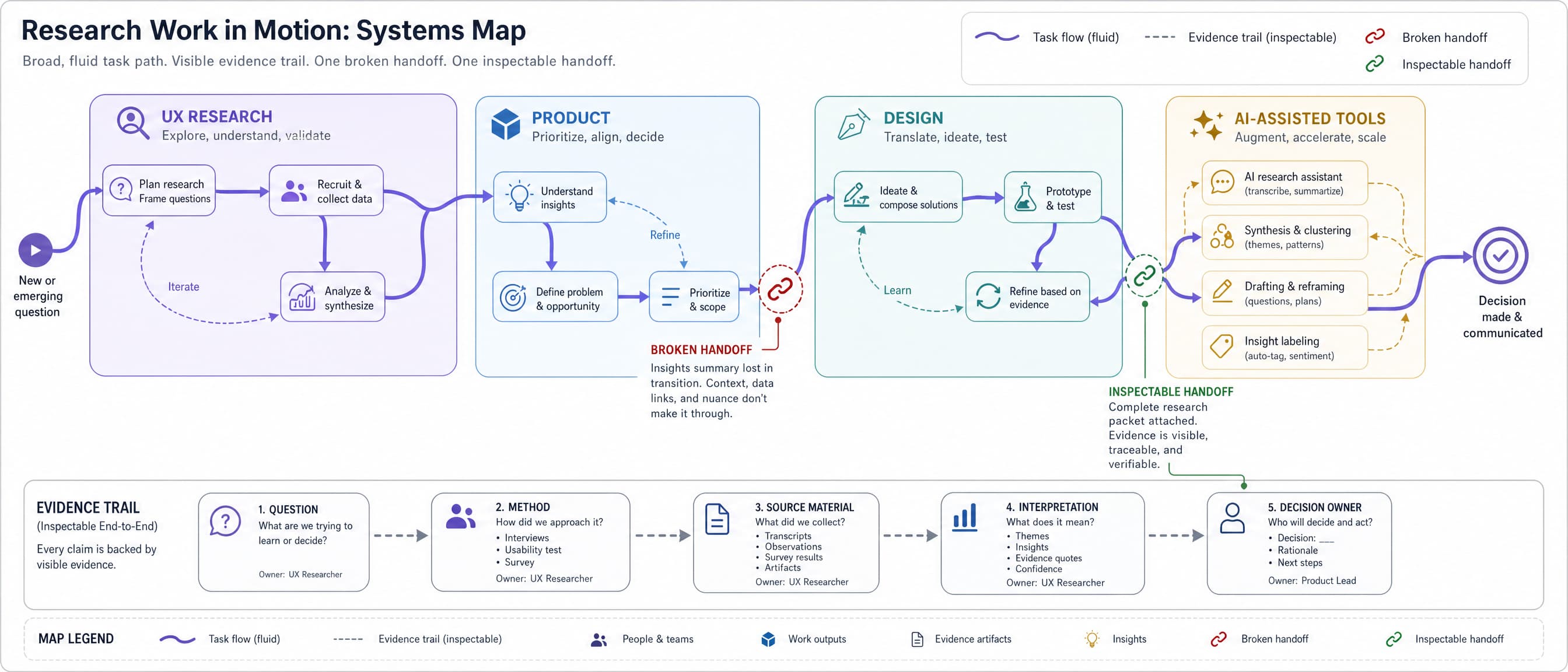
How to govern AI-enabled UX task crossover with explicit method, evidence, interpretation, reuse, and decision ownership.
Read next
How to test AI-mediated journeys for dark patterns, preserve delegated intent, design useful oversight, and define evidence-based release conditions.
Read next

Browse the full resources archive.
Filter by topic, search by method, or scan the full set of migrated guides now managed in Payload.

Learn how to validate websites used by AI agents without losing human control. Test agent legibility, delegated authority, handoffs, recovery, and joint success.
Read guide
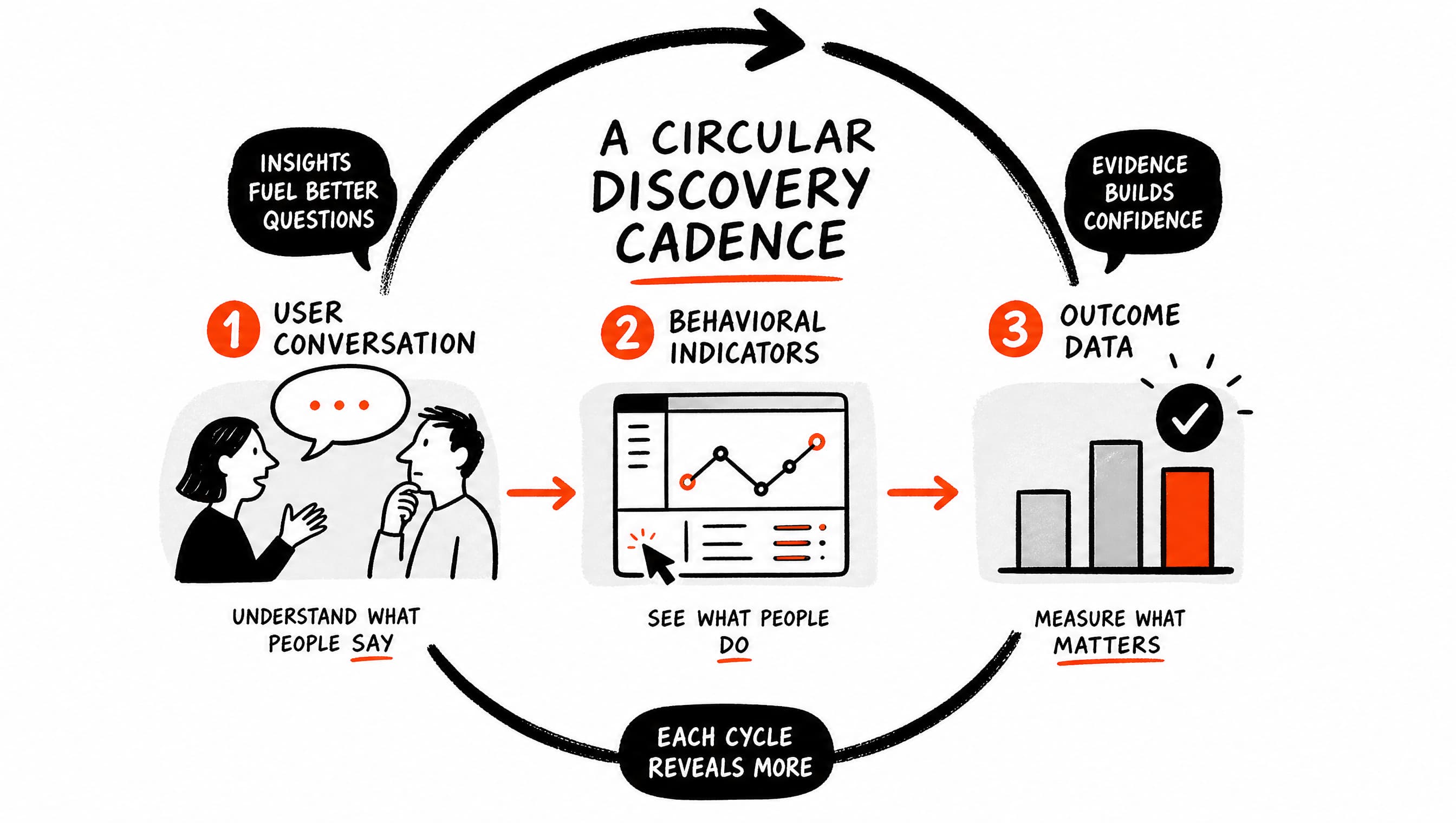
Continuous discovery improves learning, but frequency alone does not validate a decision. Learn how to connect recurring user contact to evidence thresholds, escalation decisions, and documented product choices.
Read guide
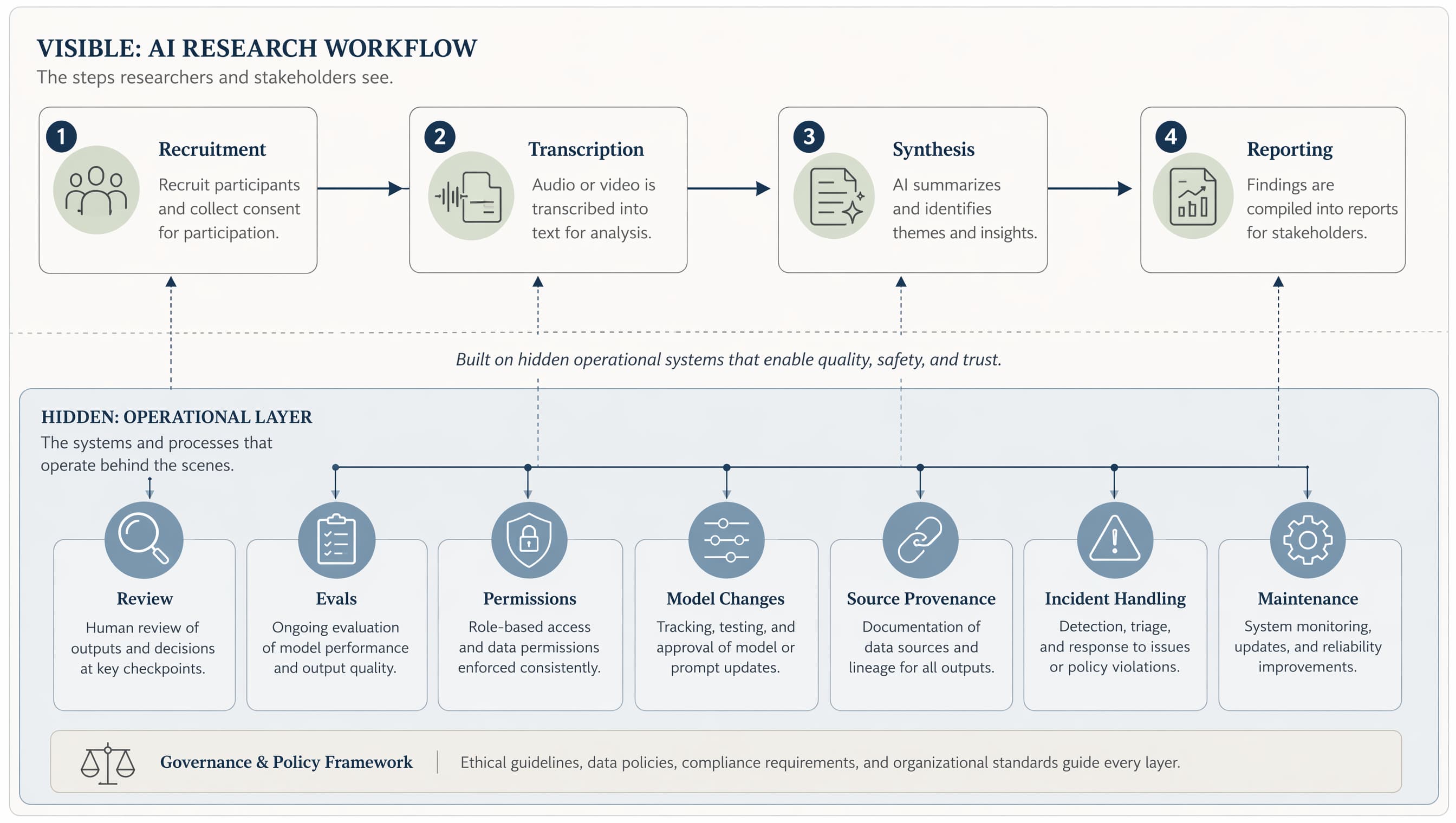
Learn how to measure and prevent AI operational debt in UX research with a net-value equation, readiness matrix, maturity model, role design, and 90-day plan.
Read guide
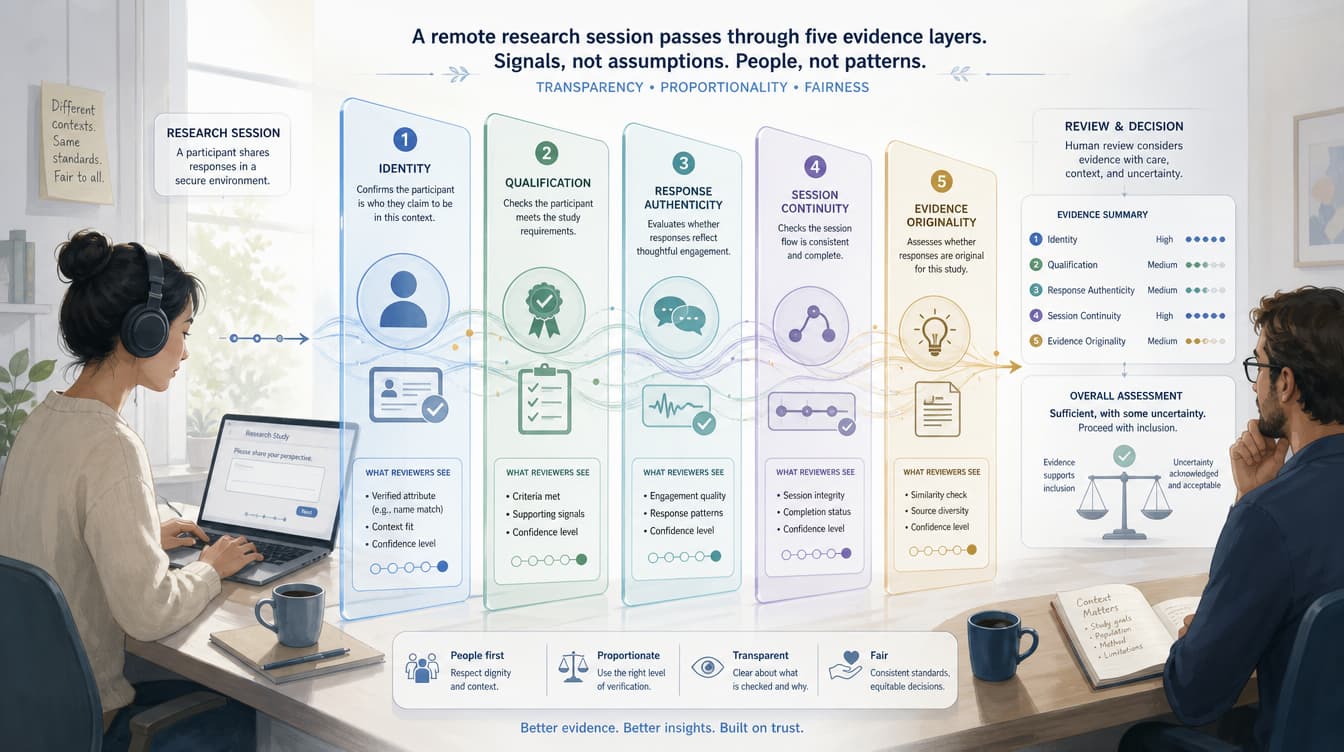
Learn how to detect AI-assisted participant fraud with a layered, auditable process that protects research quality without rejecting genuine users.
Read guide
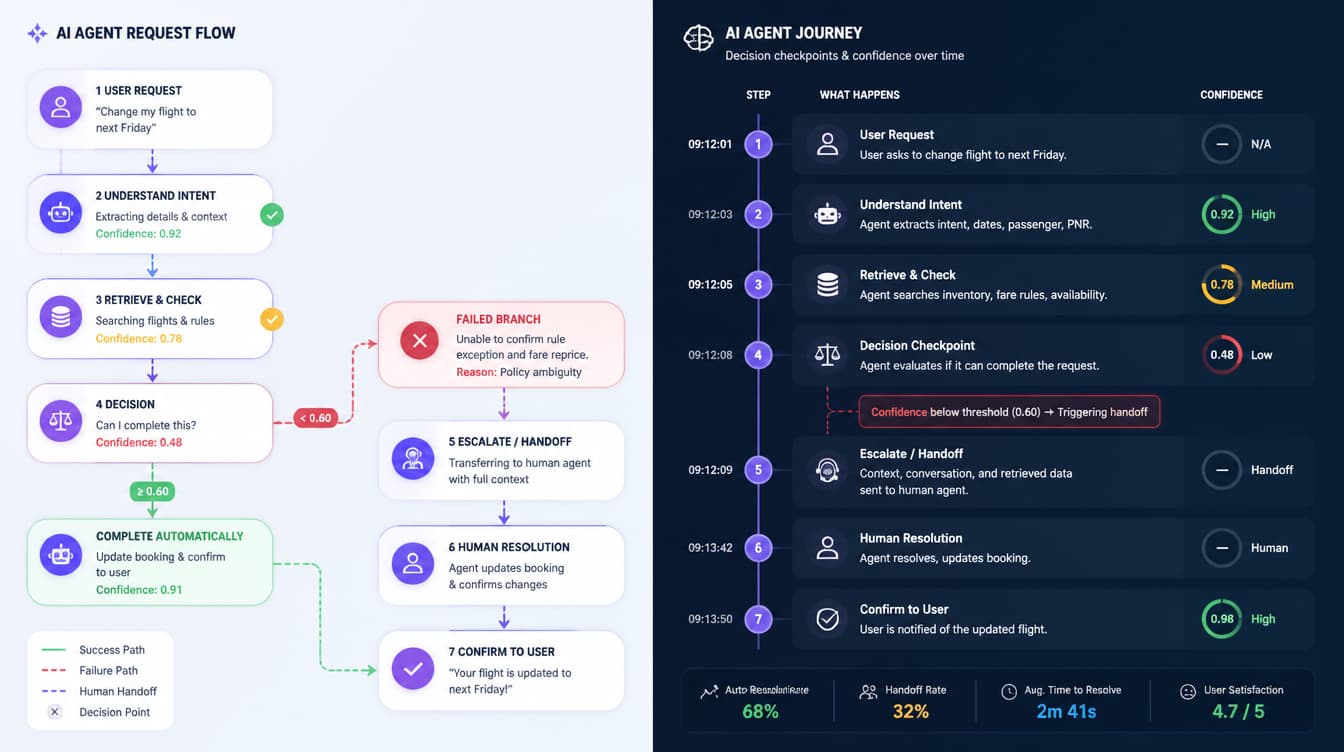
Learn how to usability test AI agents across handoffs, autonomy, transparency, failures, and cross-channel journeys, with a practical framework for real product teams.
Read guide
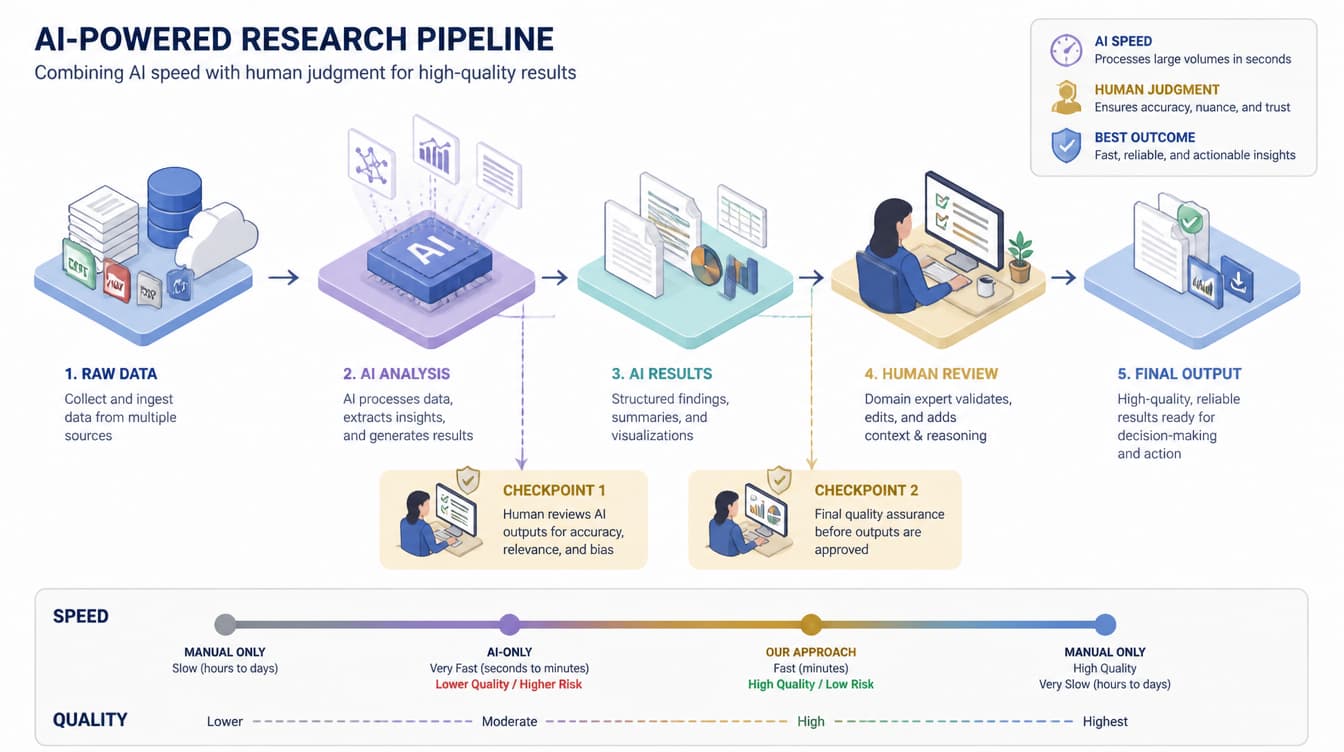
AI in UX research can accelerate the process, but weak pipelines create meaning drift. Learn how to evaluate AI-assisted research, protect evidence quality, and turn findings into decisions.
Read guide
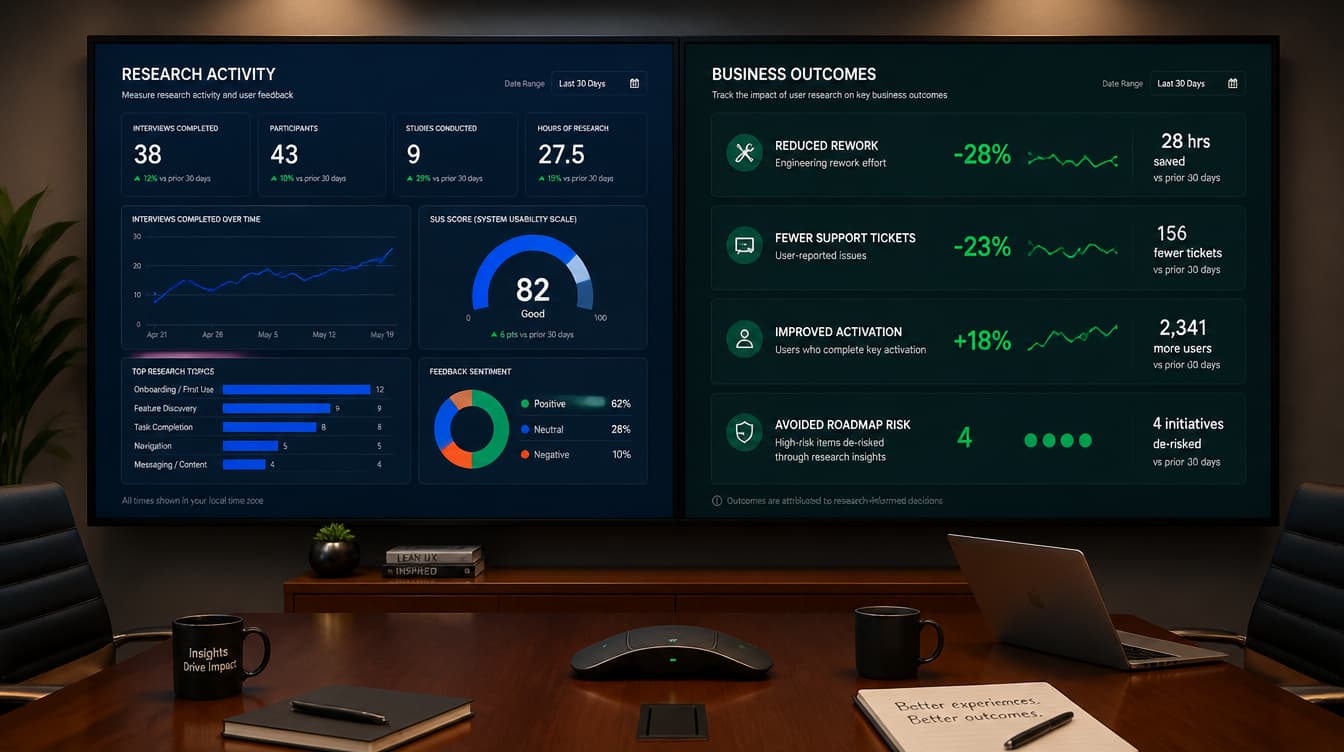
UX research ROI: UX teams lose influence when they report activity instead of impact. Learn how to connect usability testing, product research, and roadmap validation to revenue, cost, risk, speed, and retention.
Read guide
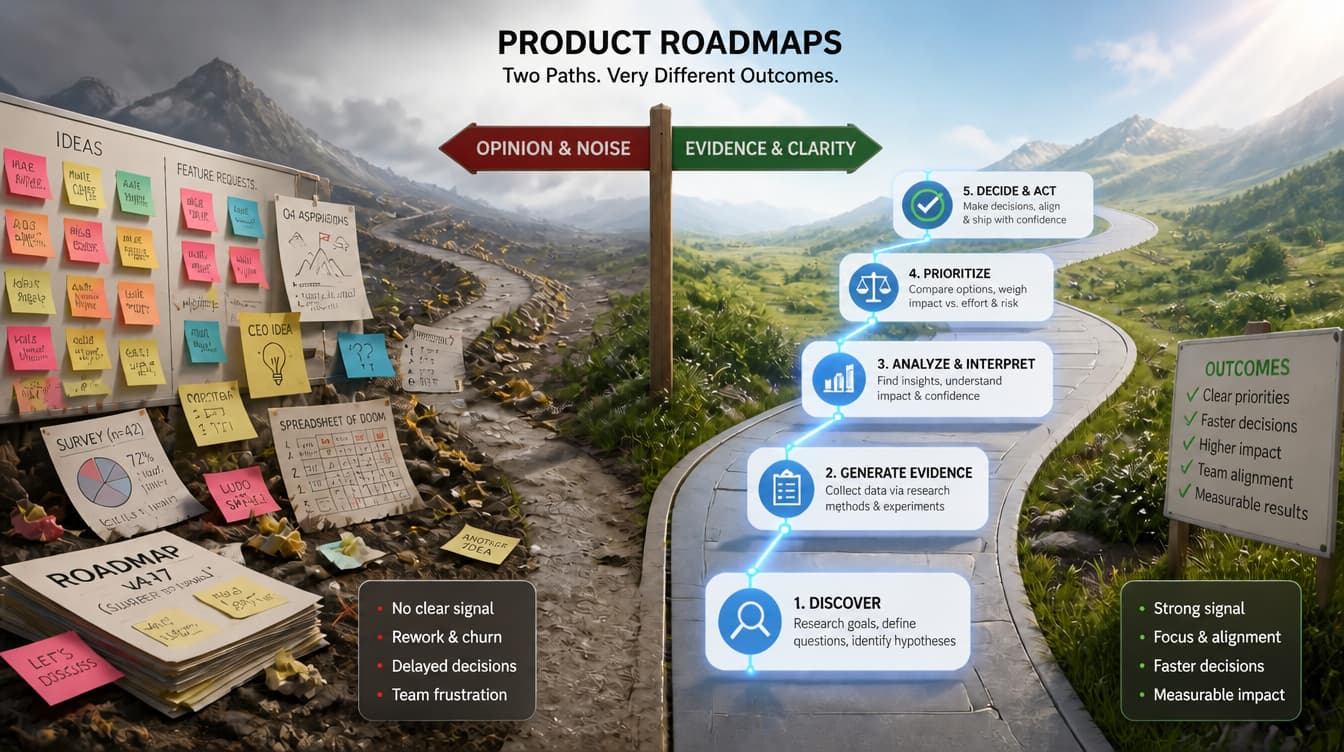
Product teams need more than scattered usability tests and survey results. Learn how roadmap validation connects user research, data quality, AI analysis, and decision intelligence.
Read guide
Turn research into decisions. How to win stakeholder buy-in by leading with business impact, translating findings into ROI language, and defending your method with confidence.
Read guide
Open, closed, and hybrid card sorting explained. How many participants you need, how to run a sort, how to read the results, and how it pairs with tree testing.
Read guide
43% of startups fail from poor product-market fit. The lessons from Juicero, Quibi, and Zume, and how lean user research prevents building something nobody wants.
Read guide
The real differences between moderated and unmoderated research, when each method wins, common mistakes to avoid, and how to combine both into one research cadence.
Read guide
What AI-powered UX research actually does, where it transforms the work, where it still fails, and how to evaluate AI research tools beyond the marketing claims.
Read guide
Learn how to build a UX research stack that connects methods, participant workflows, AI-assisted analysis, repositories, reporting, governance, and product decisions.
Read guide
Compare Maze, Dovetail, Hotjar, UserTesting, and Fred for B2B SaaS research workflows. Continuous discovery, prototype validation, and tool consolidation strategies.
Read guide
Compare SurveyMonkey, Typeform, Qualtrics, Google Forms, Hotjar, and Fred for UX research surveys. Real pricing, analysis capabilities, and integration trade-offs.
Read guide
For European product teams, GDPR is not a checkbox. It is a continuous obligation that shapes how every piece of user research is planned, executed, stored, and shared. The penalties for getting it wrong are not theoretical: Google has been fined €50 million for inadequate consen
Read guide
Compare Maze, Lyssna, Optimal Workshop, Hotjar, and Fred for startup budgets. Real pricing, honest limitations, and a framework for choosing the right tool at each stage.
Read guide
Compare Dovetail, Condens, Stravito, and Fred side by side. Find the best UX research repository for your team size, budget, and research workflow in 2026
Read guide

Fred is shortlisted for CES 2026 in Las Vegas, joining Italy’s delegation of 51 startups at Eureka Park. Discover what we are showcasing.
Read guide
Learn guerrilla user research for early validation: fast, low-cost methods to reduce risk, test assumptions, avoid bias, and make better product decisions.
Read guide

UX research has evolved significantly, with disruptive research changing how high-impact teams approach user experience. Discover its importance now!
Read guide
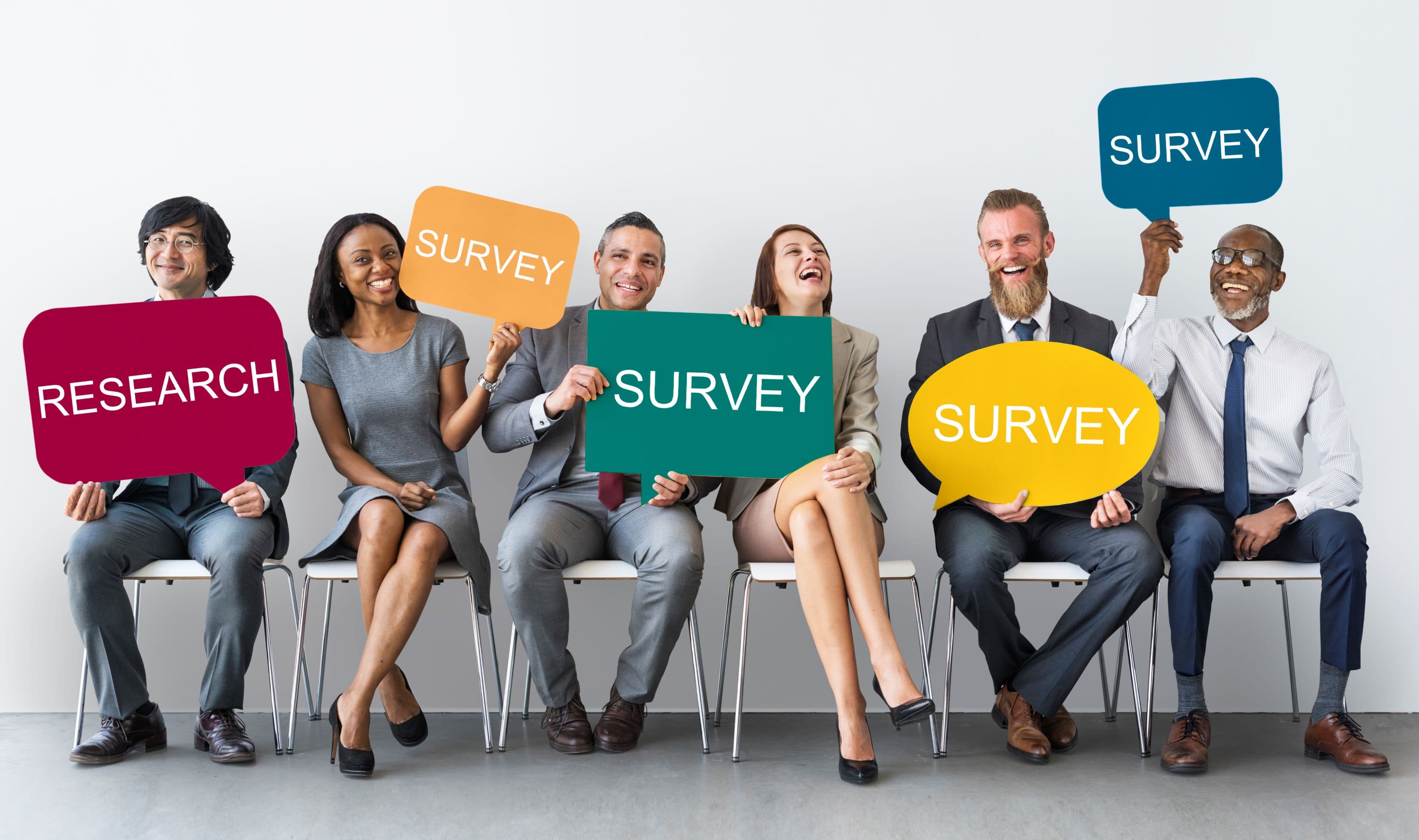
Launching a startup is a bold move, but many fail due to costly startup pitfalls that arise from skipping essential user research.
Read guide

Compare the best UX research tools by workflow, method coverage, analysis, repositories, reporting, AI support, and compliance. Learn when to use specialist tools and when your team needs a research operating system.
Read guide

Understanding user needs and preferences is the cornerstone of exceptional User Experience (UX) design and development. Questionnaires emerge as a standout choice among the vast array of methods for gathering these crucial insights. Their ability to collect actionable data from u
Read guide

In this article, we'll explore various types of design workshops, how they influence customer experience, the metrics to measure their impact, and tips for conducting effective workshops. We'll also delve into real-life examples of successful design workshops and take a look at w
Read guide

Within the landscape of UX design, user testing stands out as a critical practice, acting as the foundational element in creating experiences that deeply connect with end-users. This methodology, grounded in direct feedback from actual users, enables designers to navigate beyond
Read guide

The days of designers or marketers projecting their inclinations onto an audience are long gone. The spotlight has shifted towards what the user genuinely wants, desires, and expects. Herein lies the challenge: How can businesses accurately gauge these user preferences? The answer: Preference Test.
Read guide

We’re beyond excited to share some incredible news: Fred the UXR Shepherd has been chosen to participate in the Alpha Startup Program at Web Summit 2024 in Lisbon this November! Being selected for this prestigious program is not just an opportunity—it’s a testament to the innovat
Read guide
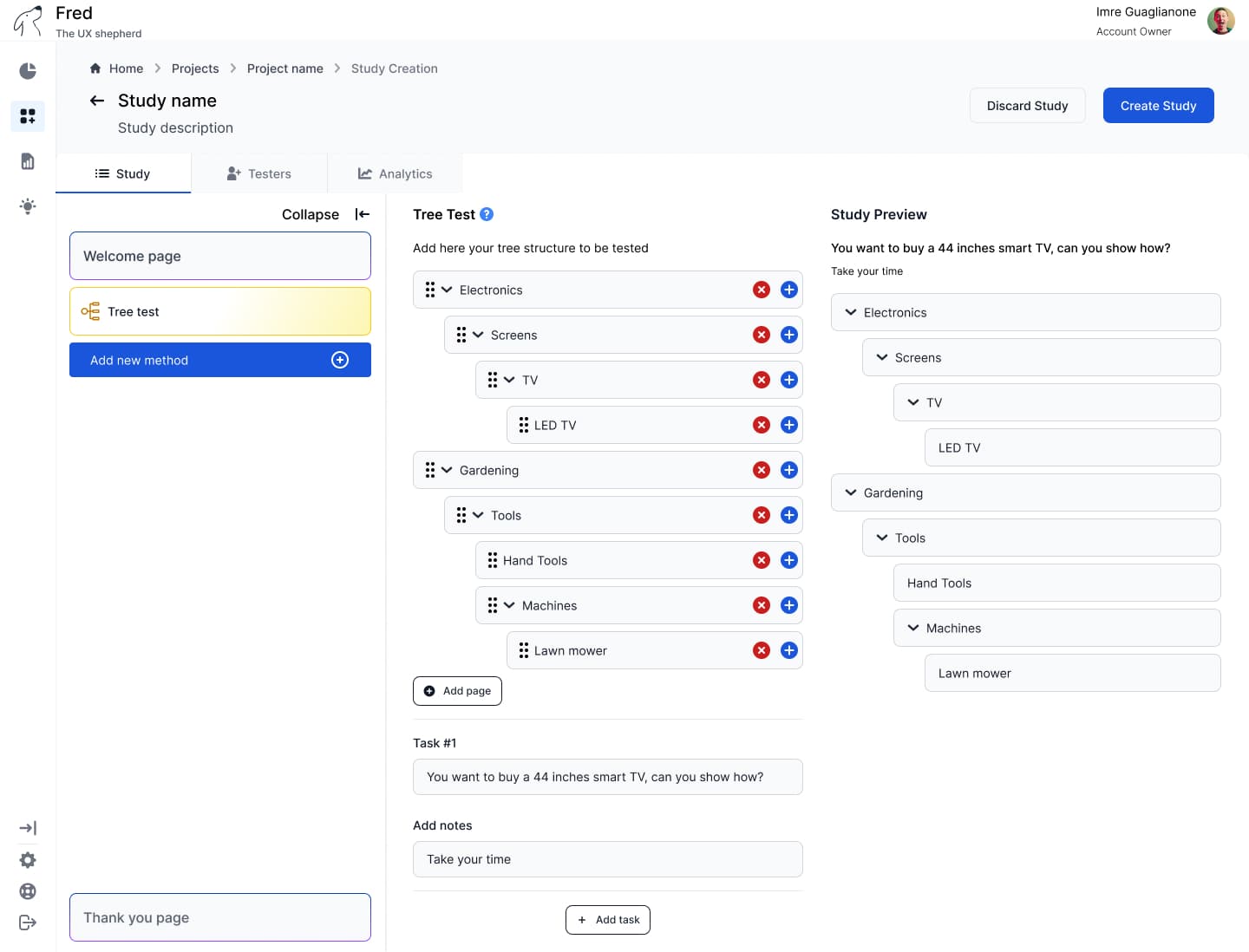
User experience can make or break a digital product, elevating the role of user research from a nice-to-have to an absolute necessity. To design products that truly resonate with users, understanding their behaviours, needs, and motivations is crucial. Yet, the methodologies for
Read guide
User research isn't just a luxury in modern product development—it's an imperative. Understanding the end-user is pivotal in creating a product that not only resonates but also solves real-world problems. Without research, even the most brilliant ideas risk missing the mark, as t
Read guide
The user experience has evolved to become a cornerstone of successful web design and application development. Yet, a persisting issue undermines this success—ineffective or unclear user navigation. As websites and applications grow more complex, the risk of disorienting users ris
Read guide
Among the UXR methods, the 5-second test holds a place of prominence. Designed to capture immediate reactions and first impressions, this simple yet powerful tool is a staple in a UX researcher's arsenal. Whether you're testing a webpage, an app, or even an email campaign, the 5-
Read guide
The Dual Challenge in User Research As an unwavering cornerstone, user research plays a pivotal role in shaping innovations and propelling them toward success. However, a persistent challenge plagues this crucial field—the inconvenience of using separate tools for data gathering
Read guide
User Experience Research (UXR) methods are the unsung heroes behind successful products, and among them, card sorting stands as a pillar. This technique illuminates how users categorise and interpret information, making it indispensable for any serious UX project.
Read guide
Are you stuck in an endless cycle of your own making, constantly relying on internal feedback loops to make decisions? If you're exclusively relying on in-house perspectives, you're missing a world of insights that external user research can bring. The weight of these decisions i
Read guide
User testing is the cornerstone of creating user-centered designs and experiences. It's the foundation upon which effective products are built and refined. But what happens when companies skim the surface of this essential process? Not only do they risk creating something that's
Read guide
Discover how to bridge the collaboration gap in user research tools. Our article explores the challenges teams face in sharing user data across diverse platforms and introduces innovative solutions like Fred to enhance seamless collaboration and data integration.
Read guide
Hey there! If you've ever wondered why some products feel like they've been tailor-made just for you while others miss the mark so spectacularly it's like they're from another planet, I've got one word for you: user research. The not-so-secret sauce can make or break the connecti
Read guide
As data-driven insights become increasingly vital for successful product development, the significance of user research reaches unprecedented levels Organizations invest heavily in tools designed to gather user data and analyze it, often assuming that more tools equate to more in
Read guide