
Launching a startup is one of the most ambitious and high-risk moves an entrepreneur can make. But many promising ventures collapse not because of bad technology, poor design, or a lack of talent, but because they fail to understand their users. The root cause of such startup pitfalls is often the same: inadequate or completely missing user research.
Below, we break down seven of the most common pitfalls that early-stage startups face when they launch without proper user research. For each, we’ll provide real examples of startups that have stumbled, and how structured research could have changed the outcome.
1. Building the Wrong Thing
One of the most frequent mistakes startups make is building a solution in search of a problem. A founder may be passionate about their idea, but if that idea doesn't address a clear need for a defined audience, it will struggle to gain traction. Building the wrong thing wastes time, drains cash reserves, and demoralizes teams.
A clear example is Quibi, the short-form video streaming platform that raised nearly $2 billion but shut down within six months of launch. The team assumed users wanted premium video content designed exclusively for mobile consumption in ten-minute chunks. Had they done deeper exploratory research with target users before launch, they might have uncovered that consumers already felt satisfied with free short-form content on YouTube, TikTok, and Instagram. Research would have revealed that Quibi’s format didn't solve a pressing user need and lacked the community or engagement features audiences valued elsewhere.
Research tools like concept tests, early interviews, and competitor comparisons can expose misalignments between product vision and actual market needs. Early user validation helps prevent costly product development in the wrong direction.
2. Solving a Problem That’s Not Urgent
Some products address real problems, but those problems are not urgent or painful enough to drive user action. In these cases, a startup may see lukewarm interest or low engagement, even if their solution is technically sound.
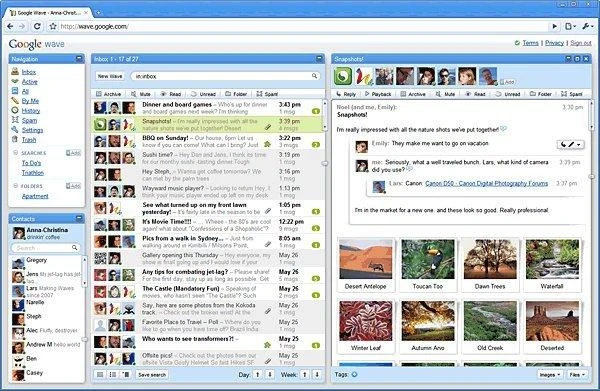
Google Wave is a textbook example. It aimed to revolutionize communication by blending email, instant messaging, and document collaboration into a single interface. While innovative, it addressed a problem that few users actively felt. The existing tools worked well enough, and users didn’t see a strong reason to change behavior. Despite the engineering effort, adoption was minimal, and the product was discontinued.
By contrast, early-stage user research helps teams measure urgency. Tools like user interviews, job-to-be-done frameworks, or even simple surveys can expose whether a pain point is something users would actively seek to solve, or merely tolerate.
3. Pivoting Too Late
In fast-moving markets, knowing when to pivot is a strategic advantage. Unfortunately, many teams delay this decision due to a lack of insight. They either cling to their initial vision or rely on vanity metrics that look positive but fail to reflect true user behavior or retention.
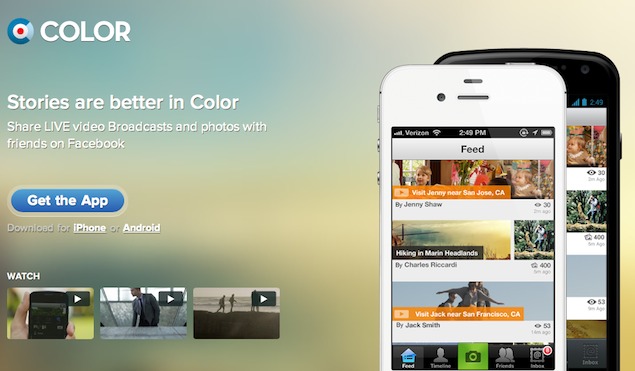
Color, a photo-sharing app backed by $41 million in funding, launched without first testing how users would engage with its core mechanic: location-based photo streams that changed depending on where users were and who was nearby. The app confused users, gained poor reviews, and was quickly abandoned. By the time the team realized the model was flawed, their brand was already damaged.
Ongoing research, including unmoderated usability testing and live feedback loops, makes it easier to detect when something is not working. These signals can prompt a pivot before burn rate becomes unsustainable or team morale declines.
4. Misreading Product-Market Fit
Product-market fit is often misunderstood. A startup may see early enthusiasm from a small group and assume it reflects broader demand. But without rigorous research and user segmentation, teams often misinterpret early signals and overcommit.

Homejoy, a home-cleaning startup that raised over $40 million, is a case in point. It launched with strong initial interest and rapid expansion into multiple cities. However, they failed to deeply understand the needs of both customers and cleaners. Many users were bargain-hunters who did not return after their first discounted cleaning, and the company faced retention issues on both sides of the marketplace.
Effective research uncovers not only whether users want the product, but also who the right users are, what keeps them engaged, and what drives repeat behaviour. Segmentation studies, surveys, and usage analysis can distinguish between temporary traction and true product-market fit.
5. Messaging That Doesn’t Resonate
Your product might be excellent, but if your messaging is unclear or off-target, users will not understand why it matters. Startups frequently launch with jargon-filled websites, vague value propositions, or headlines that fail to address the user’s core need.
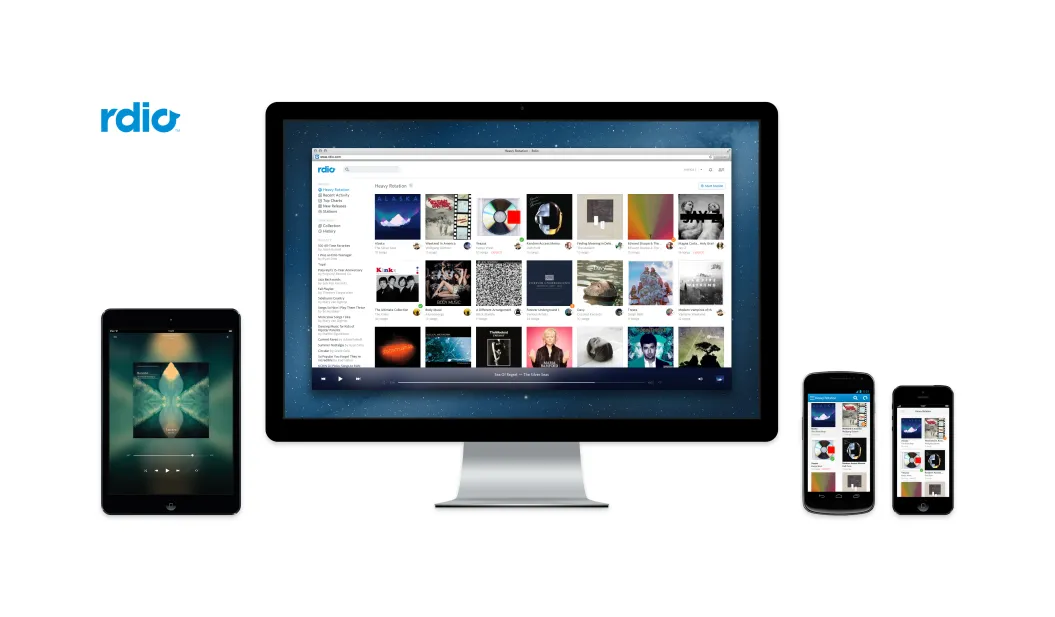
Rdio, a music streaming platform that launched around the same time as Spotify, offered a robust product with a clean interface. However, its messaging was never clearly differentiated. Users struggled to understand why they should switch from established platforms, and the brand failed to communicate its unique strengths.
This is where user-facing content testing becomes critical. Tools like A/B preference tests, five-second tests, and value proposition comparisons help startups understand which language connects, which visuals convert, and how users interpret the offer in their first few seconds on a landing page.
6. Burning Budget on the Wrong Features
Many startups believe adding more features increases value. But often, the opposite is true. Without a research-based prioritization framework, teams waste engineering hours on features users neither need nor notice.

Jawbone, once a major player in wearable fitness trackers, invested heavily in hardware features and software complexity. What they didn’t prioritize were basic user expectations like battery reliability and customer support. Competitors like Fitbit, which listened closely to user needs and simplified their product offerings, quickly overtook Jawbone. The company eventually shut down after raising nearly $1 billion.
User research, including card sorting, feature ranking, and behavioral studies, ensures that product roadmaps reflect what users actually want. This approach minimizes wasted development cycles and keeps teams focused on impact.
7. Decision Paralysis Inside the Team
When a startup lacks user data, decisions tend to rely on internal opinions. This can lead to long meetings, internal conflict, and inconsistent priorities. Without user evidence, it's easy for teams to get stuck debating ideas rather than delivering progress.
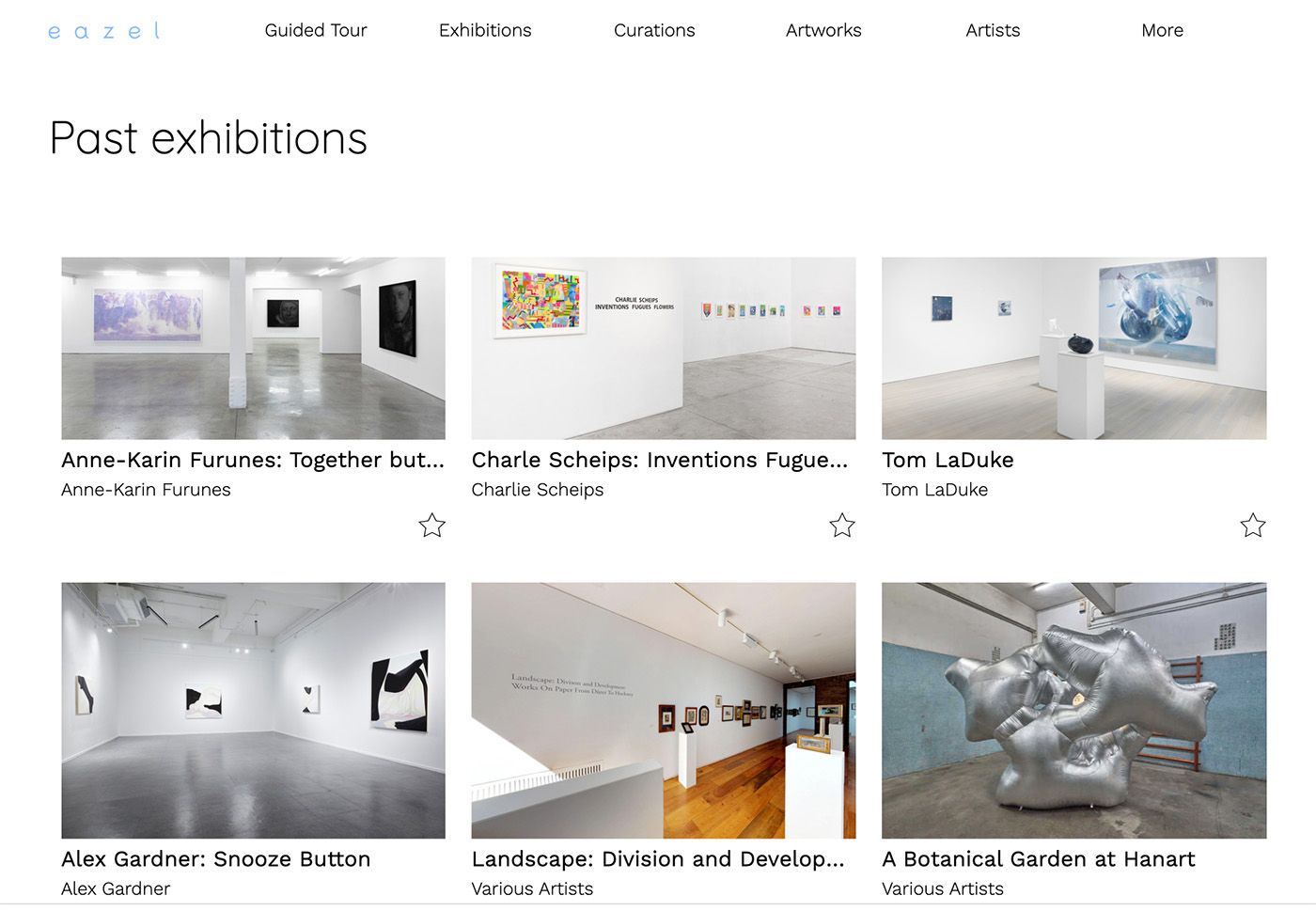
Eazel, an early online art marketplace, is an example where the vision of the team diverged significantly from user expectations. While the concept of democratizing art access was strong, internal disagreements and lack of user insight led to inconsistent execution and poor retention. The platform never gained momentum and was quietly shut down.
Structured user research brings clarity. It gives every department, from product to design to marketing a shared understanding of what users care about. When decisions are grounded in user behaviour, alignment improves, debates become productive, and momentum increases.
Why Research is the Most Affordable Insurance for Startups
Skipping user research may seem like a time-saving move, especially under pressure to ship quickly or impress investors. But most failed startups cite lack of user adoption or poor product-market fit as the cause. These are research problems, not technical ones.
The earlier you invest in understanding your users, the faster you can build what they truly need — and avoid wasting resources on ideas that only look good on paper.
Fred the UXR Shepherd was created to make this kind of research accessible to lean teams. With built-in tools for testing, interviews, behavioral analysis, and automated insight generation, it empowers startups to act on evidence without hiring a full research department.
Validate Before You Build!
Before you write code, run ads, or raise funds, make sure your product idea is rooted in real user need. Research is no longer a luxury reserved for enterprise teams, it is a competitive advantage for any founder willing to listen.